microbioma
microbioma


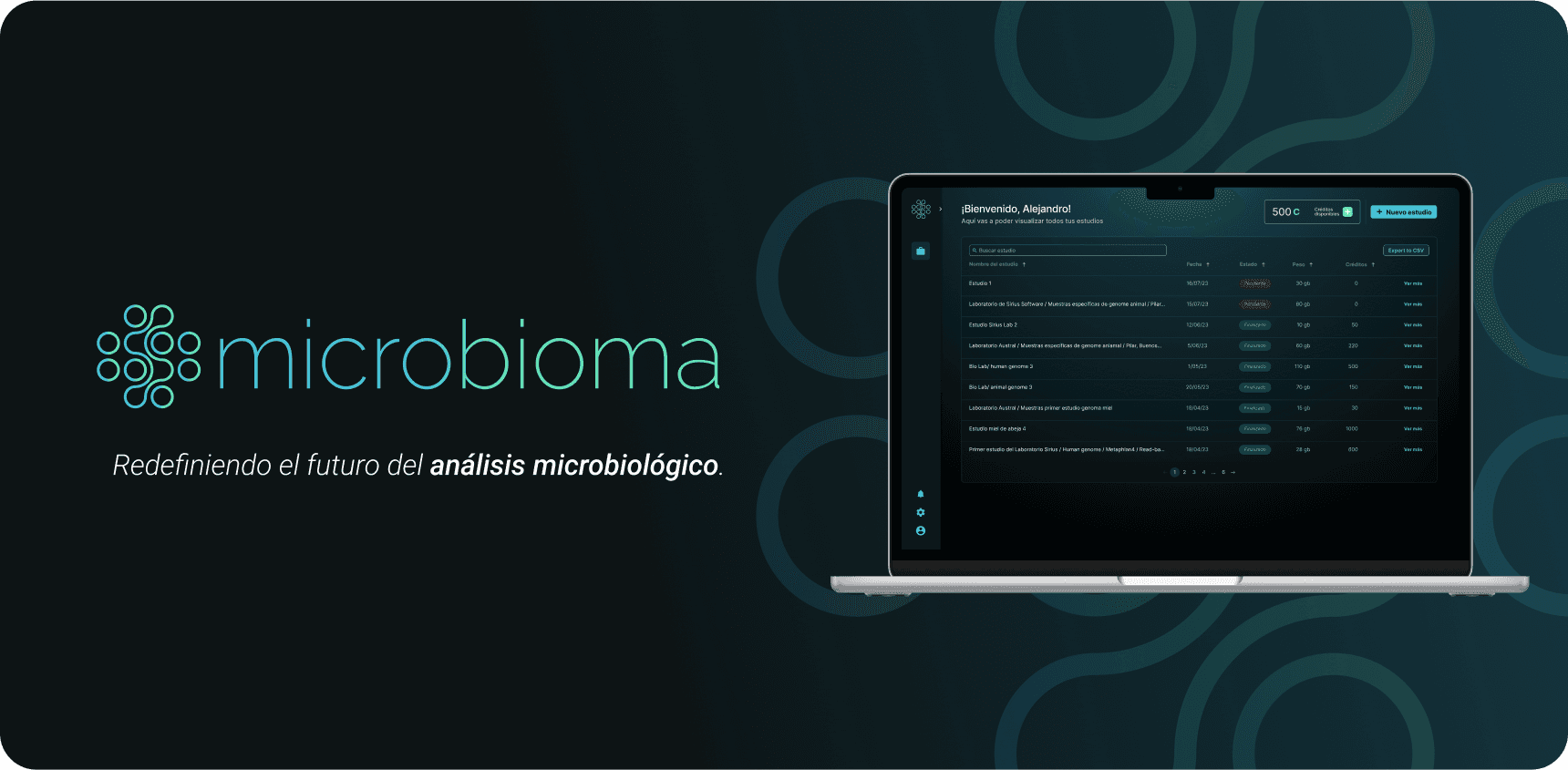
Microbioma is a cutting-edge platform designed to simplify and accelerate the analysis of microbiota from genetic sequences. Traditionally, this process is complex, time-consuming, and expensive, requiring multiple steps and specialized expertise. Microbiota automates and optimizes the workflow, providing a cost-effective, scalable, and user-friendly solution. The platform supports various research and biomedical applications, enabling scientists to analyze microbiota efficiently while maintaining high accuracy and accessibility.
Microbioma is a cutting-edge platform designed to simplify and accelerate the analysis of microbiota from genetic sequences. Traditionally, this process is complex, time-consuming, and expensive, requiring multiple steps and specialized expertise. Microbiota automates and optimizes the workflow, providing a cost-effective, scalable, and user-friendly solution. The platform supports various research and biomedical applications, enabling scientists to analyze microbiota efficiently while maintaining high accuracy and accessibility.
THE CHALLENGE
Identifying Key Pain Points
Identifying Key
Pain Points
1
The microbiota analysis process is slow and highly complex, requiring multiple steps from sample reception to data processing.
1
The microbiota analysis process is slow and highly complex, requiring multiple steps from sample reception to data processing.
1
The microbiota analysis process is slow and highly complex, requiring multiple steps from sample reception to data processing.
2
High costs and resource-intensive workflows make microbiota studies financially challenging for many researchers and institutions.
2
High costs and resource-intensive workflows make microbiota studies financially challenging for many researchers and institutions.
2
High costs and resource-intensive workflows make microbiota studies financially challenging for many researchers and institutions.
3
Specialized expertise is needed to handle data interpretation, limiting accessibility for non-experts.
3
Specialized expertise is needed to handle data interpretation, limiting accessibility for non-experts.
3
Specialized expertise is needed to handle data interpretation, limiting accessibility for non-experts.
4
Delays in result processing impact timely decision-making in biomedical research and clinical applications.
4
Delays in result processing impact timely decision-making in biomedical research and clinical applications.
4
Delays in result processing impact timely decision-making in biomedical research and clinical applications.
THE SOLUTION
Microbiota Analysis Platform
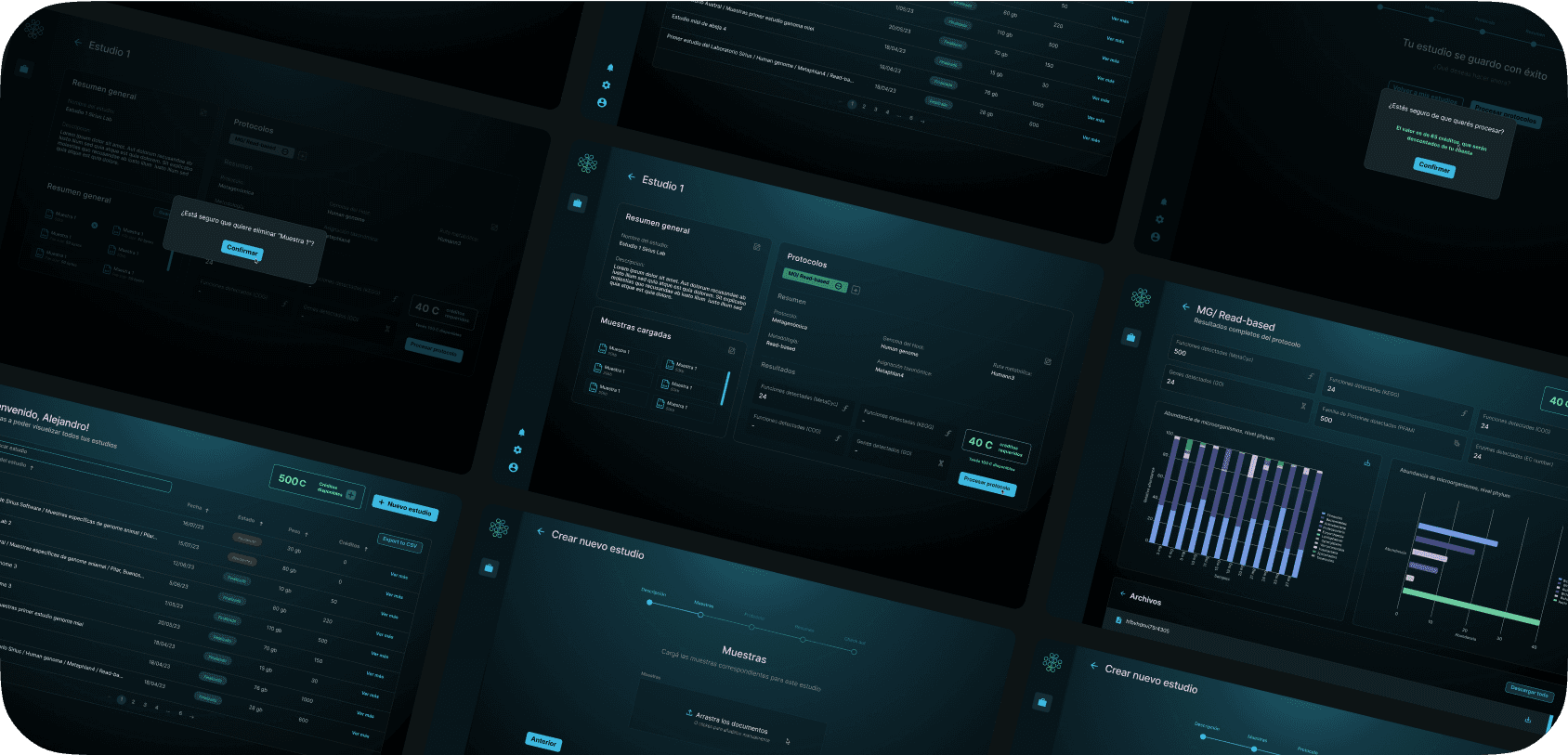
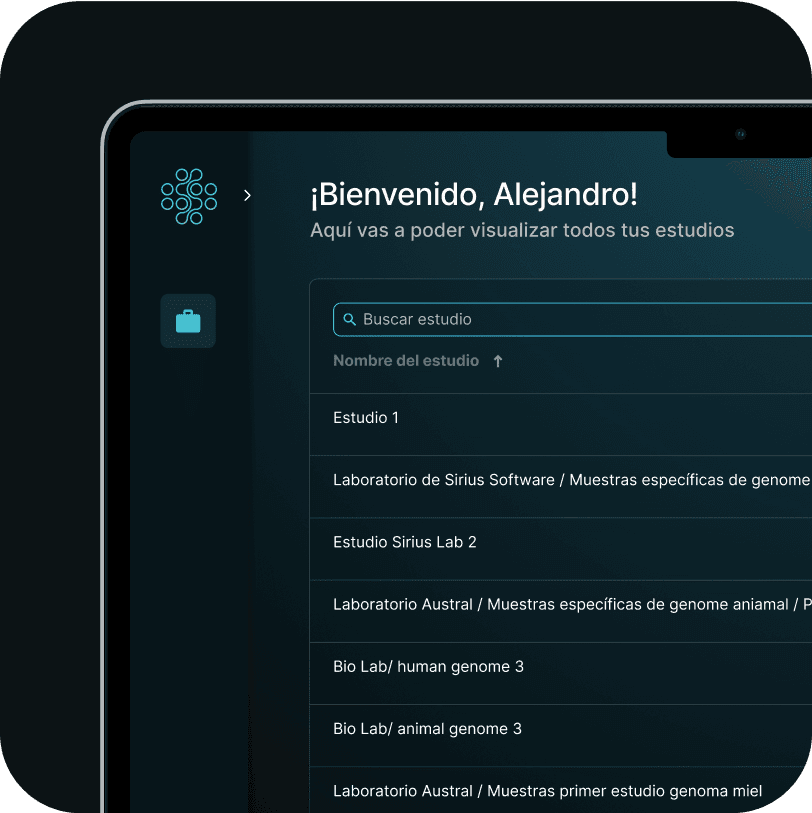
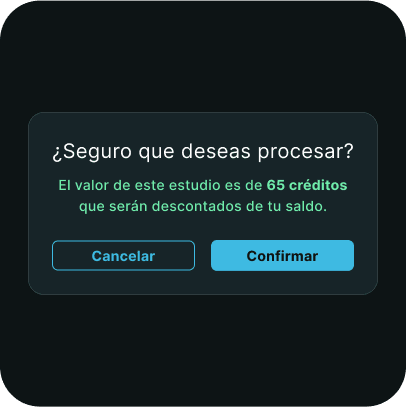
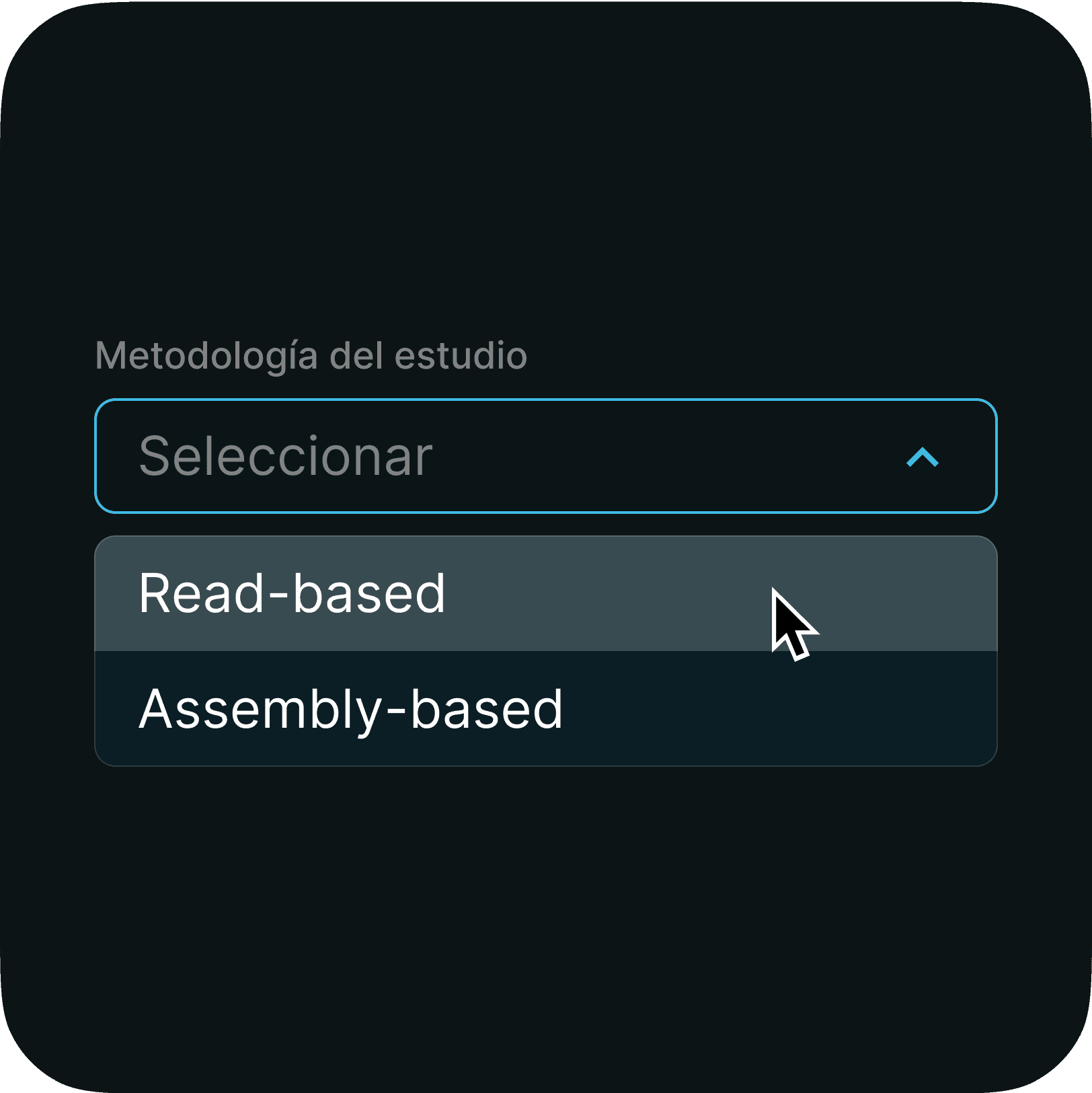
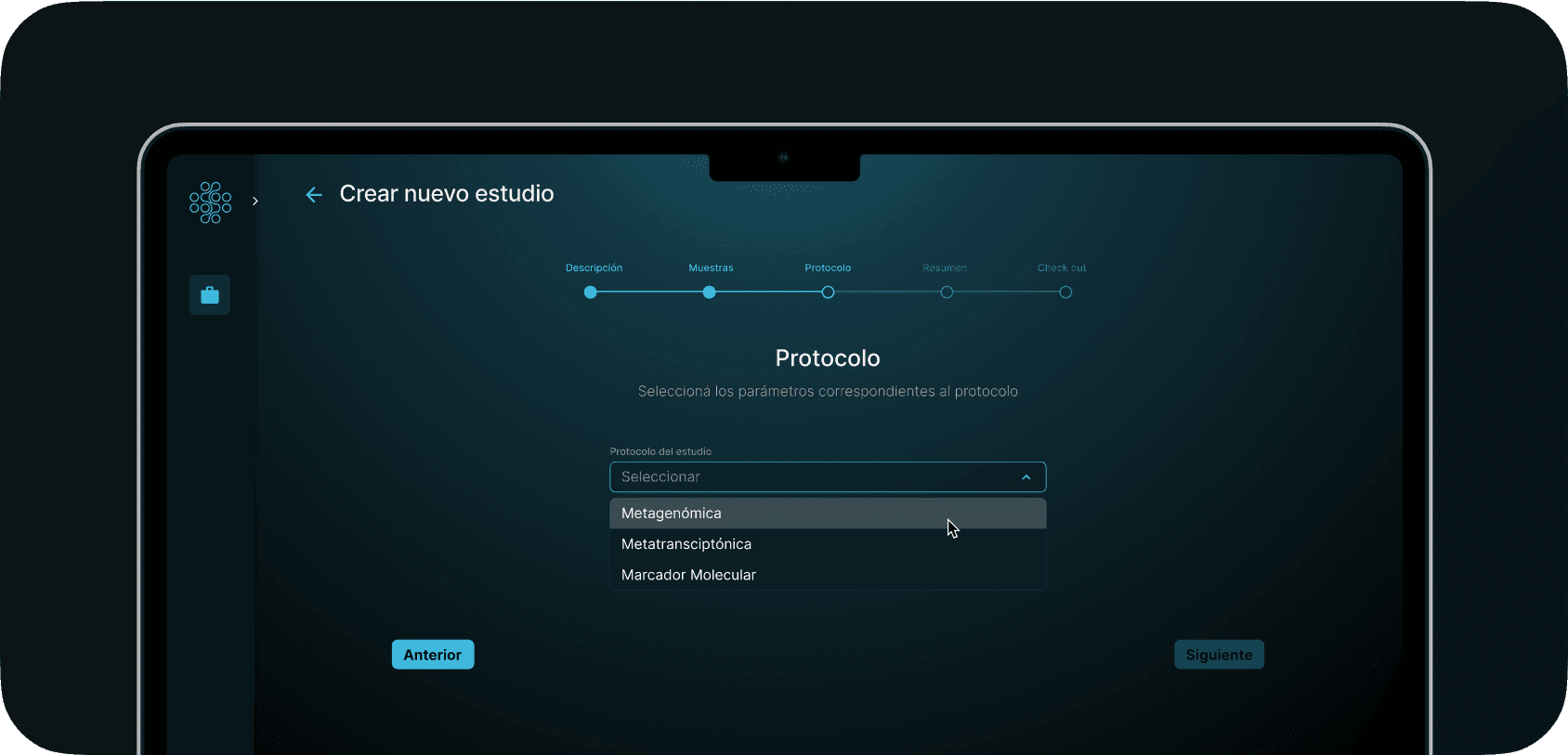
Microbioma leverages advanced technologies to streamline microbiota analysis, reducing complexity and enhancing efficiency. The platform provides rapid data processing, allowing researchers to obtain results faster. A flexible pricing model based on sample size ensures accessibility for different types of studies. Designed with ease of use in mind, the intuitive interface enables users to upload samples, select analysis protocols, track studies, and visualize results effortlessly. By offering fast and accurate insights, Microbiota empowers researchers and clinicians with the data they need to make informed decisions
Microbioma leverages advanced technologies to streamline microbiota analysis, reducing complexity and enhancing efficiency. The platform provides rapid data processing, allowing researchers to obtain results faster. A flexible pricing model based on sample size ensures accessibility for different types of studies. Designed with ease of use in mind, the intuitive interface enables users to upload samples, select analysis protocols, track studies, and visualize results effortlessly. By offering fast and accurate insights, Microbiota empowers researchers and clinicians with the data they need to make informed decisions
Main screens from the MVP
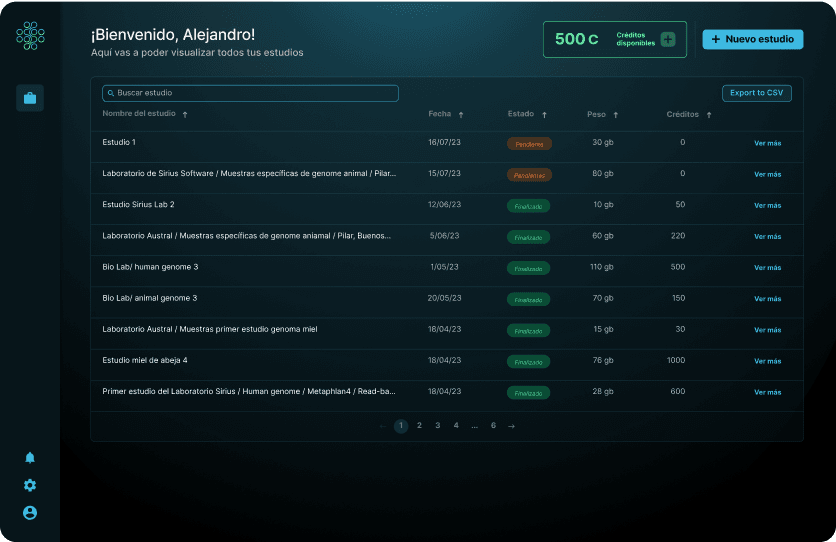
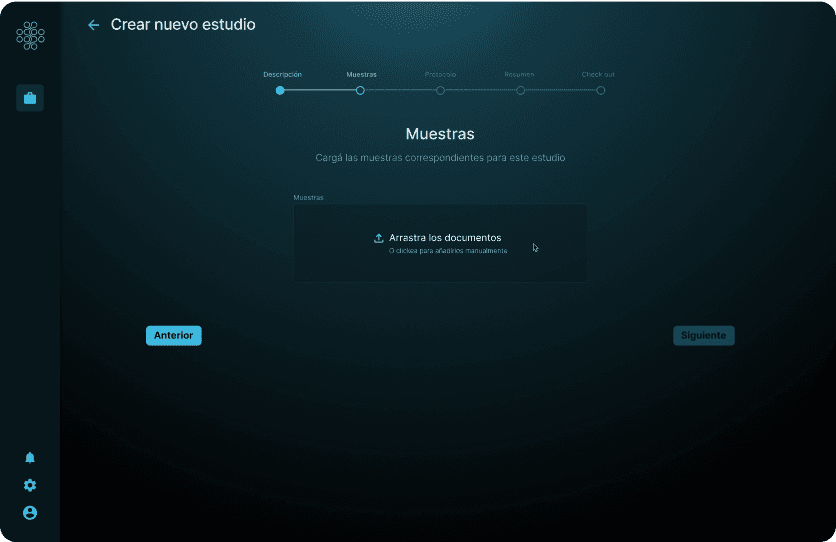
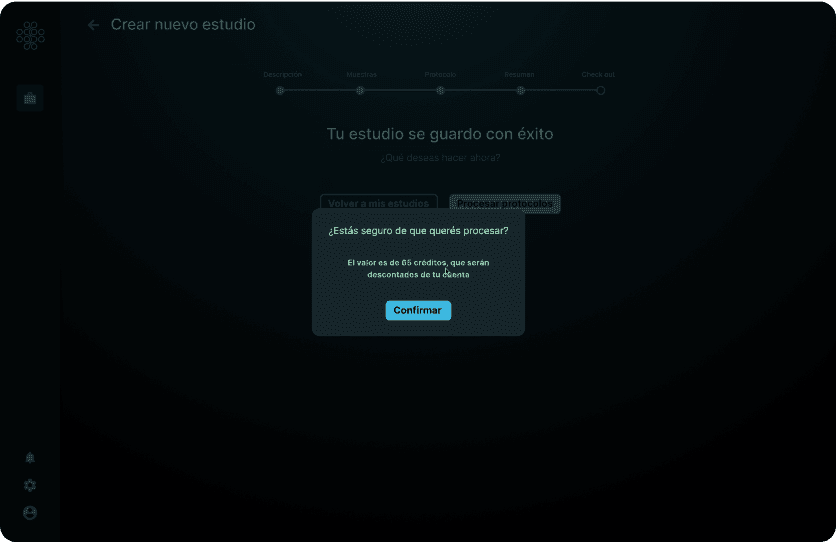
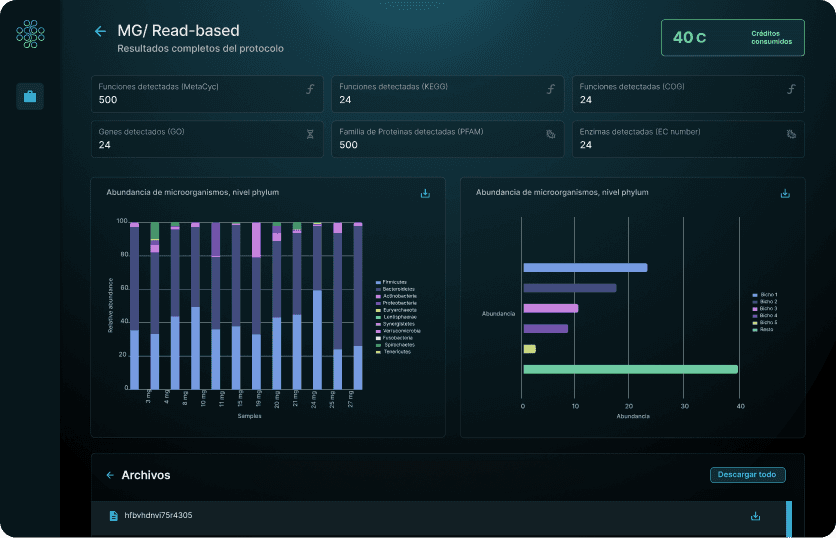
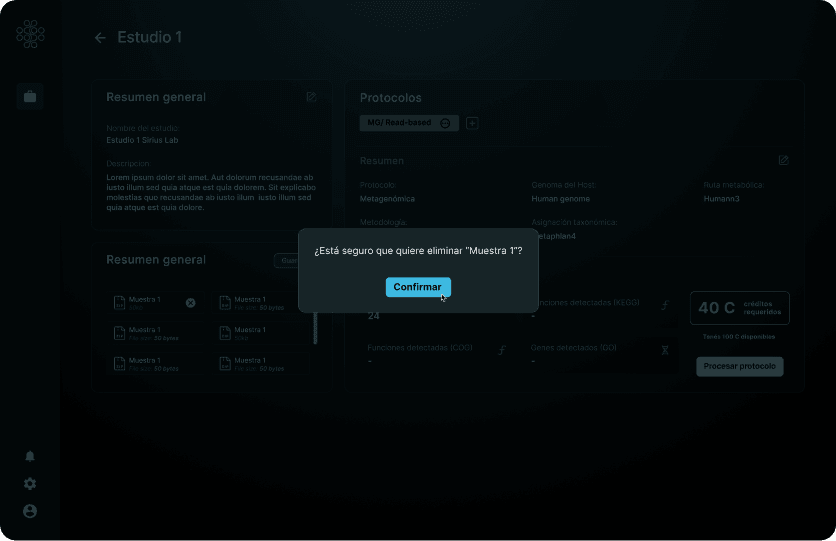
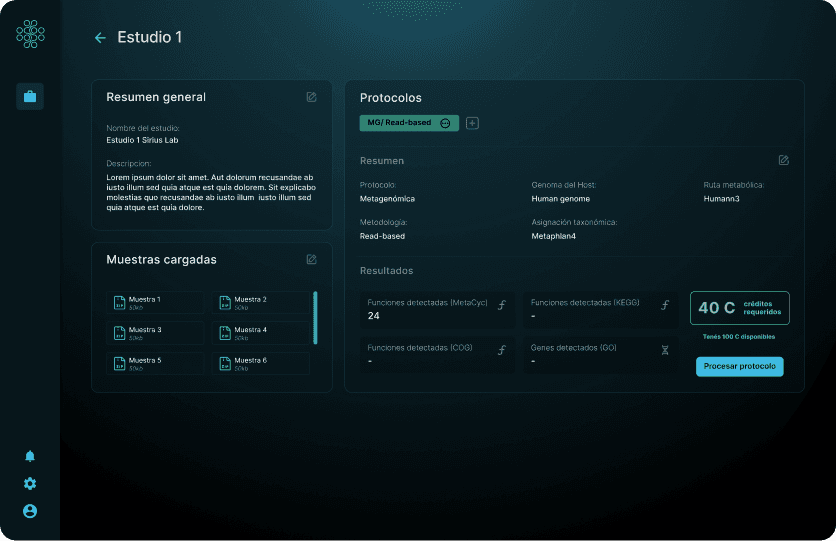
Main screens from the MVP
THE DESIGN PROCESS
From concept to completion
1. Research
Understanding the Landscape of Microbiota Analysis
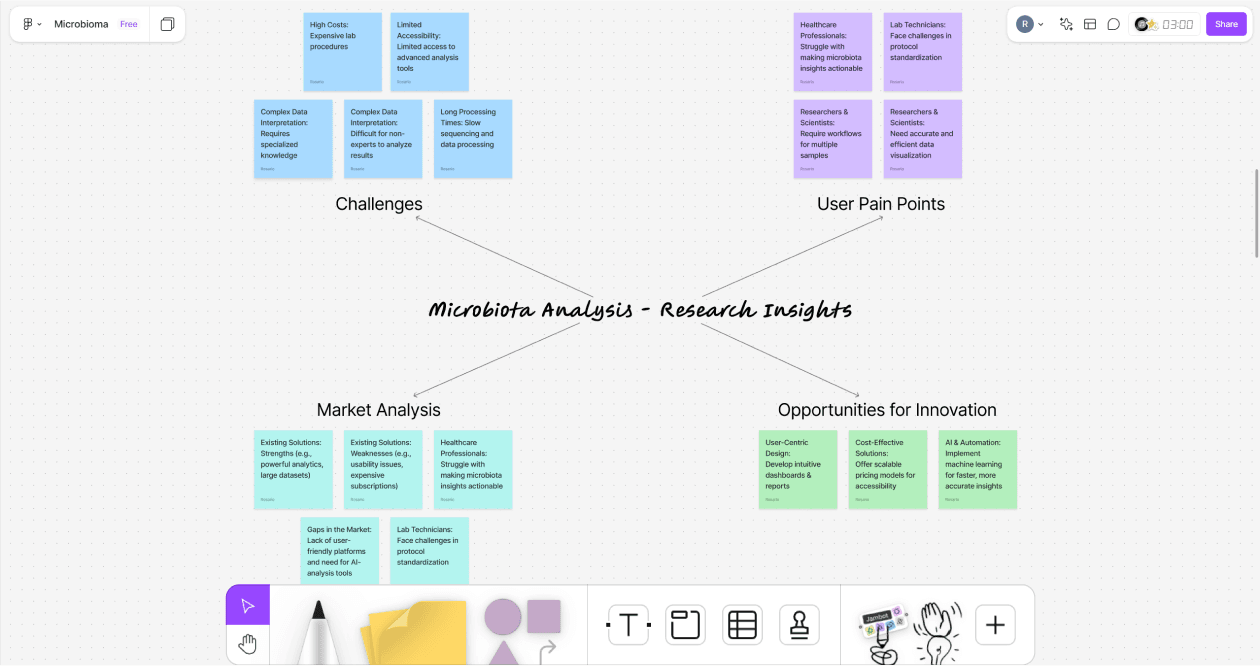
“An extensive research on microbiota analysis tools was necessary to identify challenges such as data complexity, lack of accessibility, and high costs. Most information was gathered from interviewed experts, and explored competitor solutions to define key improvement areas.”
2. Ideation
Defining the Vision & Core Functionalities
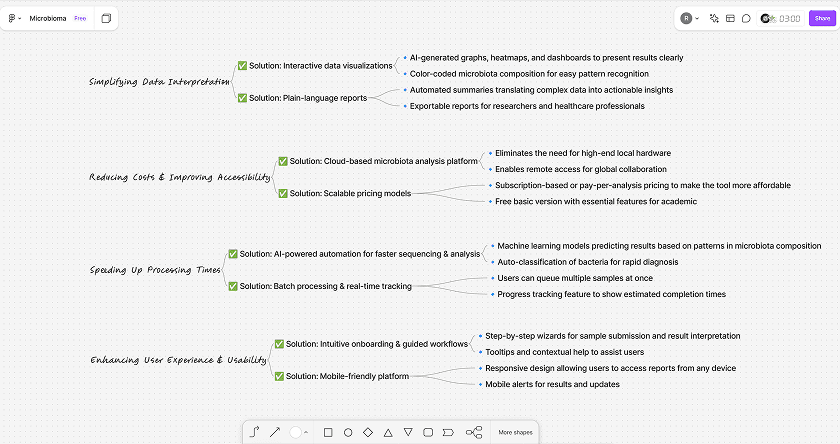
“Based on research insights, it was time to brainstorm solutions that simplify microbiota analysis while ensuring accuracy. The outlines were user needs, defined core features, and prioritized functionalities for an MVP.”
3. Wireframing
Structuring an Intuitive User Experience
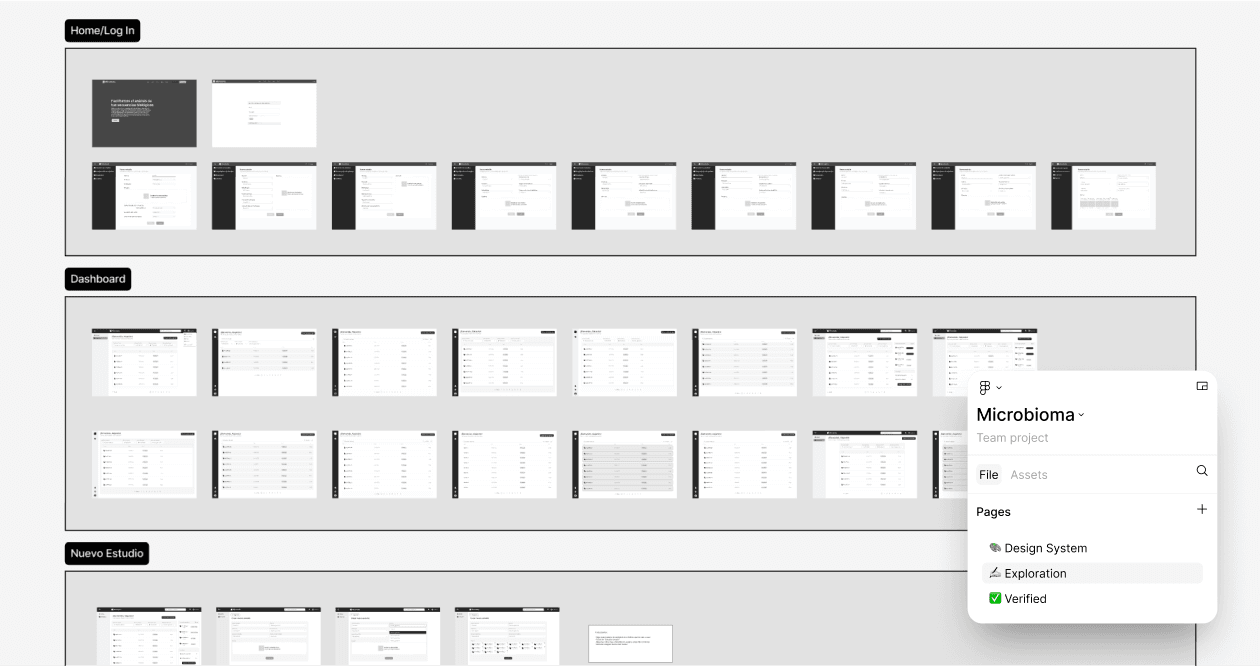
“First user journeys and then low-fidelity wireframes to define the core structure of the platform. This helped to establish a clear and efficient flow for researchers and lab professionals.”
4. High-Fidelity UI Design
Designing a Data-Driven & User-Friendly Interface
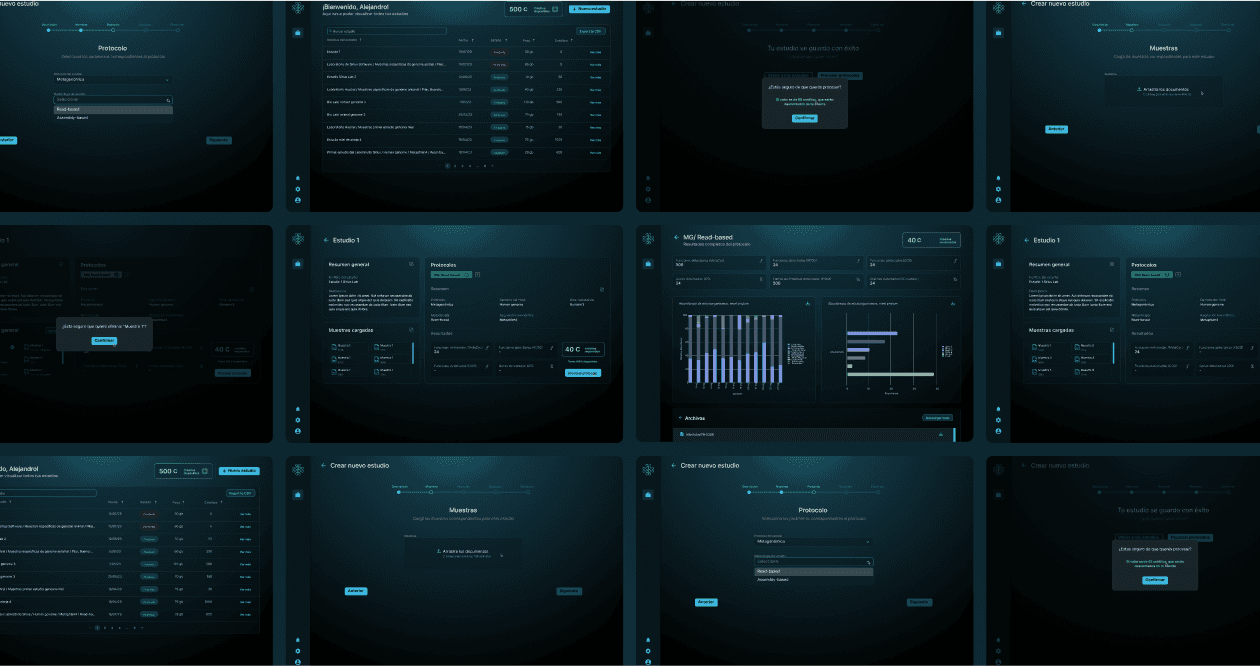
“A modern and dark UI with a focus on readability and usability. The interface presents complex scientific data in an accessible way while maintaining a professional aesthetic.”
5. Logo Design
Crafting a Visual Identity for the Platform
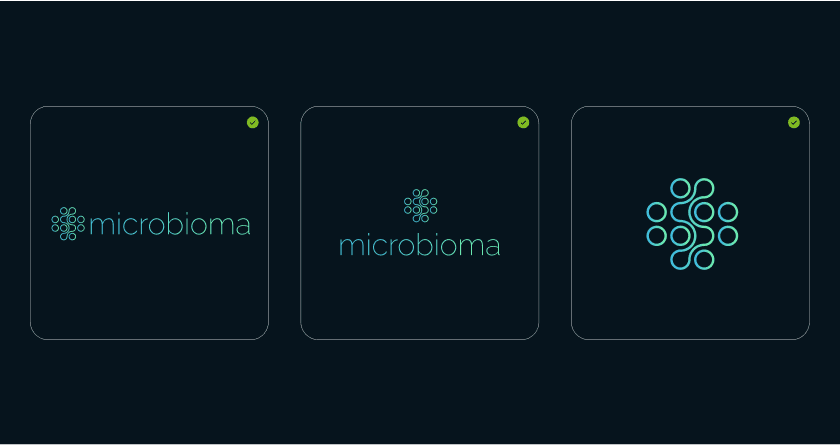
“While the app was being developed, I faced a new challenge: designing a logo that reflects the scientific and technological essence of microbiota research. It had to convey precision, trust, and innovation.”
6. MVP Development & Continuous Iteration
Building & Evolving the Product with the Development Team
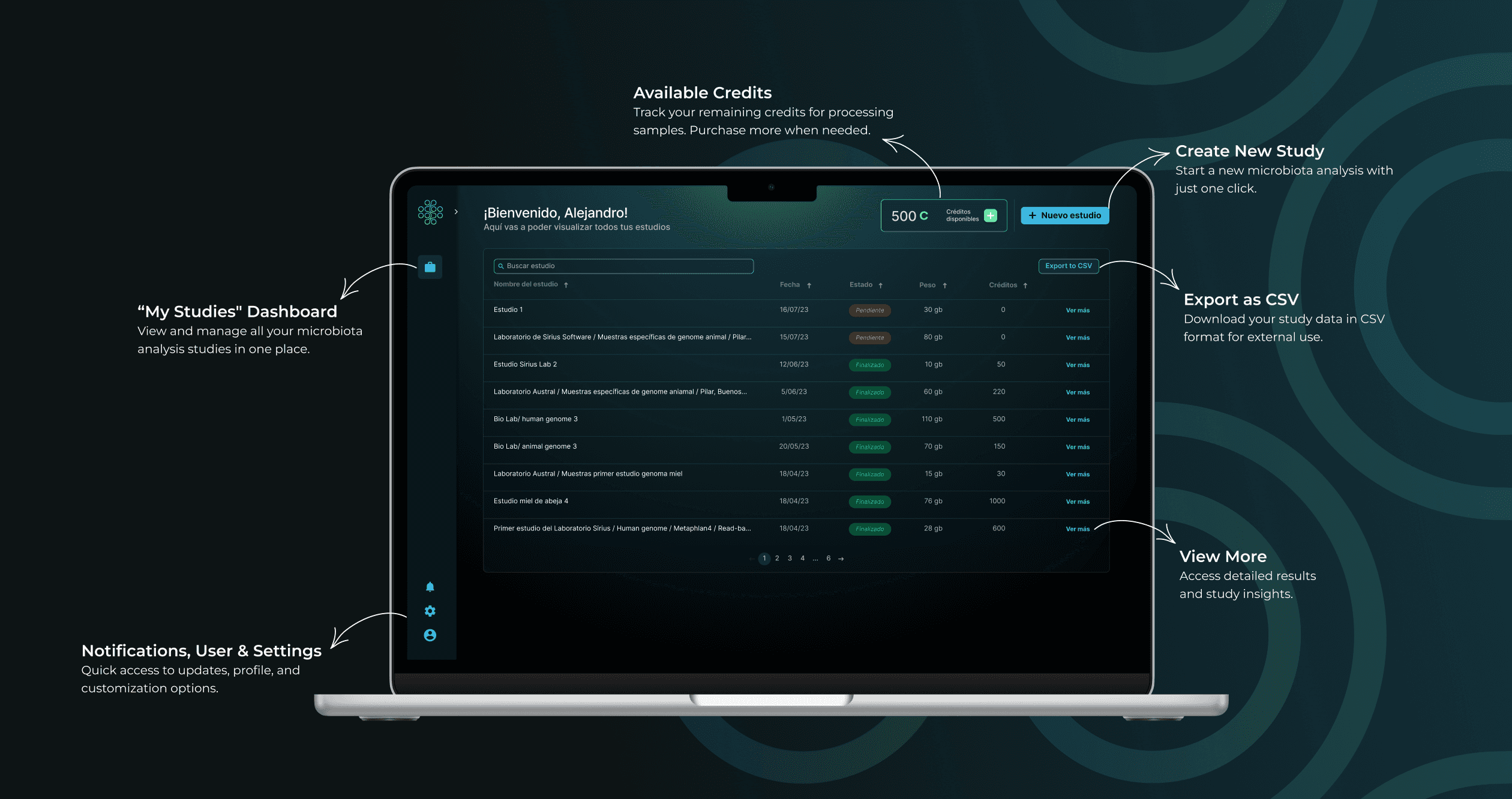
“The development team started building the MVP as design features were completed. New functionalities emerged throughout the process, leading to continuous iterations. The platform is still in development, with ongoing improvements based on feedback.”
1. Research
Understanding the Landscape of Microbiota Analysis
“An extensive research on microbiota analysis tools was necessary to identify challenges such as data complexity, lack of accessibility, and high costs. Most information was gathered from interviewed experts, and explored competitor solutions to define key improvement areas.”
2. Ideation
Defining the Vision & Core Functionalities
“Based on research insights, it was time to brainstorm solutions that simplify microbiota analysis while ensuring accuracy. The outlines were user needs, defined core features, and prioritized functionalities for an MVP.”
3. Wireframing
Structuring an Intuitive User Experience
“First user journeys and then low-fidelity wireframes to define the core structure of the platform. This helped to establish a clear and efficient flow for researchers and lab professionals.”
4. High-Fidelity UI Design
Designing a Data-Driven & User-Friendly Interface
“A modern and dark UI with a focus on readability and usability. The interface presents complex scientific data in an accessible way while maintaining a professional aesthetic.”
5. Logo Design
Crafting a Visual Identity for the Platform
“While the app was being developed, I faced a new challenge: designing a logo that reflects the scientific and technological essence of microbiota research. It had to convey precision, trust, and innovation.”
6. MVP Development & Continuous Iteration
Building & Evolving the Product with the Development Team
“The development team started building the MVP as design features were completed. New functionalities emerged throughout the process, leading to continuous iterations. The platform is still in development, with ongoing improvements based on feedback.”
1. Research
Understanding the Landscape of Microbiota Analysis
“An extensive research on microbiota analysis tools was necessary to identify challenges such as data complexity, lack of accessibility, and high costs. Most information was gathered from interviewed experts, and explored competitor solutions to define key improvement areas.”
2. Ideation
Defining the Vision & Core Functionalities
“Based on research insights, it was time to brainstorm solutions that simplify microbiota analysis while ensuring accuracy. The outlines were user needs, defined core features, and prioritized functionalities for an MVP.”
3. Wireframing
Structuring an Intuitive User Experience
“First user journeys and then low-fidelity wireframes to define the core structure of the platform. This helped to establish a clear and efficient flow for researchers and lab professionals.”
4. High-Fidelity UI Design
Designing a Data-Driven & User-Friendly Interface
“A modern and dark UI with a focus on readability and usability. The interface presents complex scientific data in an accessible way while maintaining a professional aesthetic.”
5. Logo Design
Crafting a Visual Identity for the Platform
“While the app was being developed, I faced a new challenge: designing a logo that reflects the scientific and technological essence of microbiota research. It had to convey precision, trust, and innovation.”
6. MVP Development & Continuous Iteration
Building & Evolving the Product with the Development Team
“The development team started building the MVP as design features were completed. New functionalities emerged throughout the process, leading to continuous iterations. The platform is still in development, with ongoing improvements based on feedback.”
1. Research
Understanding the Landscape of Microbiota Analysis
“An extensive research on microbiota analysis tools was necessary to identify challenges such as data complexity, lack of accessibility, and high costs. Most information was gathered from interviewed experts, and explored competitor solutions to define key improvement areas.”
2. Ideation
Defining the Vision & Core Functionalities
“Based on research insights, it was time to brainstorm solutions that simplify microbiota analysis while ensuring accuracy. The outlines were user needs, defined core features, and prioritized functionalities for an MVP.”
3. Wireframing
Structuring an Intuitive User Experience
“First user journeys and then low-fidelity wireframes to define the core structure of the platform. This helped to establish a clear and efficient flow for researchers and lab professionals.”
4. High-Fidelity UI Design
Designing a Data-Driven & User-Friendly Interface
“A modern and dark UI with a focus on readability and usability. The interface presents complex scientific data in an accessible way while maintaining a professional aesthetic.”
5. Logo Design
Crafting a Visual Identity for the Platform
“While the app was being developed, I faced a new challenge: designing a logo that reflects the scientific and technological essence of microbiota research. It had to convey precision, trust, and innovation.”
6. MVP Development & Continuous Iteration
Building & Evolving the Product with the Development Team
“The development team started building the MVP as design features were completed. New functionalities emerged throughout the process, leading to continuous iterations. The platform is still in development, with ongoing improvements based on feedback.”
1. Research
Understanding the Landscape of Microbiota Analysis
“An extensive research on microbiota analysis tools was necessary to identify challenges such as data complexity, lack of accessibility, and high costs. Most information was gathered from interviewed experts, and explored competitor solutions to define key improvement areas.”
2. Ideation
Defining the Vision & Core Functionalities
“Based on research insights, it was time to brainstorm solutions that simplify microbiota analysis while ensuring accuracy. The outlines were user needs, defined core features, and prioritized functionalities for an MVP.”
3. Wireframing
Structuring an Intuitive User Experience
“First user journeys and then low-fidelity wireframes to define the core structure of the platform. This helped to establish a clear and efficient flow for researchers and lab professionals.”
4. High-Fidelity UI Design
Designing a Data-Driven & User-Friendly Interface
“A modern and dark UI with a focus on readability and usability. The interface presents complex scientific data in an accessible way while maintaining a professional aesthetic.”
5. Logo Design
Crafting a Visual Identity for the Platform
“While the app was being developed, I faced a new challenge: designing a logo that reflects the scientific and technological essence of microbiota research. It had to convey precision, trust, and innovation.”
6. MVP Development & Continuous Iteration
Building & Evolving the Product with the Development Team
“The development team started building the MVP as design features were completed. New functionalities emerged throughout the process, leading to continuous iterations. The platform is still in development, with ongoing improvements based on feedback.”
1. Research
Understanding the Landscape of Microbiota Analysis
“An extensive research on microbiota analysis tools was necessary to identify challenges such as data complexity, lack of accessibility, and high costs. Most information was gathered from interviewed experts, and explored competitor solutions to define key improvement areas.”
2. Ideation
Defining the Vision & Core Functionalities
“Based on research insights, it was time to brainstorm solutions that simplify microbiota analysis while ensuring accuracy. The outlines were user needs, defined core features, and prioritized functionalities for an MVP.”
3. Wireframing
Structuring an Intuitive User Experience
“First user journeys and then low-fidelity wireframes to define the core structure of the platform. This helped to establish a clear and efficient flow for researchers and lab professionals.”
4. High-Fidelity UI Design
Designing a Data-Driven & User-Friendly Interface
“A modern and dark UI with a focus on readability and usability. The interface presents complex scientific data in an accessible way while maintaining a professional aesthetic.”
5. Logo Design
Crafting a Visual Identity for the Platform
“While the app was being developed, I faced a new challenge: designing a logo that reflects the scientific and technological essence of microbiota research. It had to convey precision, trust, and innovation.”
6. MVP Development & Continuous Iteration
Building & Evolving the Product with the Development Team
“The development team started building the MVP as design features were completed. New functionalities emerged throughout the process, leading to continuous iterations. The platform is still in development, with ongoing improvements based on feedback.”
1. Research
Understanding the Landscape of Microbiota Analysis
“An extensive research on microbiota analysis tools was necessary to identify challenges such as data complexity, lack of accessibility, and high costs. Most information was gathered from interviewed experts, and explored competitor solutions to define key improvement areas.”
2. Ideation
Defining the Vision & Core Functionalities
“Based on research insights, it was time to brainstorm solutions that simplify microbiota analysis while ensuring accuracy. The outlines were user needs, defined core features, and prioritized functionalities for an MVP.”
3. Wireframing
Structuring an Intuitive User Experience
“First user journeys and then low-fidelity wireframes to define the core structure of the platform. This helped to establish a clear and efficient flow for researchers and lab professionals.”
4. High-Fidelity UI Design
Designing a Data-Driven & User-Friendly Interface
“A modern and dark UI with a focus on readability and usability. The interface presents complex scientific data in an accessible way while maintaining a professional aesthetic.”
5. Logo Design
Crafting a Visual Identity for the Platform
“While the app was being developed, I faced a new challenge: designing a logo that reflects the scientific and technological essence of microbiota research. It had to convey precision, trust, and innovation.”
6. MVP Development & Continuous Iteration
Building & Evolving the Product with the Development Team
“The development team started building the MVP as design features were completed. New functionalities emerged throughout the process, leading to continuous iterations. The platform is still in development, with ongoing improvements based on feedback.”
1. Research
Understanding the Landscape of Microbiota Analysis
“An extensive research on microbiota analysis tools was necessary to identify challenges such as data complexity, lack of accessibility, and high costs. Most information was gathered from interviewed experts, and explored competitor solutions to define key improvement areas.”
2. Ideation
Defining the Vision & Core Functionalities
“Based on research insights, it was time to brainstorm solutions that simplify microbiota analysis while ensuring accuracy. The outlines were user needs, defined core features, and prioritized functionalities for an MVP.”
3. Wireframing
Structuring an Intuitive User Experience
“First user journeys and then low-fidelity wireframes to define the core structure of the platform. This helped to establish a clear and efficient flow for researchers and lab professionals.”
4. High-Fidelity UI Design
Designing a Data-Driven & User-Friendly Interface
“A modern and dark UI with a focus on readability and usability. The interface presents complex scientific data in an accessible way while maintaining a professional aesthetic.”
5. Logo Design
Crafting a Visual Identity for the Platform
“While the app was being developed, I faced a new challenge: designing a logo that reflects the scientific and technological essence of microbiota research. It had to convey precision, trust, and innovation.”
6. MVP Development & Continuous Iteration
Building & Evolving the Product with the Development Team
“The development team started building the MVP as design features were completed. New functionalities emerged throughout the process, leading to continuous iterations. The platform is still in development, with ongoing improvements based on feedback.”
MICROBIOMA
MICROBIOMA
Quick Project Details
Quick Project Details
industry
Health & Biotechnology
PRODUCT DESCRIPTION
A user-friendly platform for efficient and cost-effective microbiota analysis using genetic sequencing, offering rapid results and flexible pricing based on sample size.
Service
Visual Identity, UX/UI Design, Product Development
year
2024
country
Argentina
PLATFORM
Desktop App